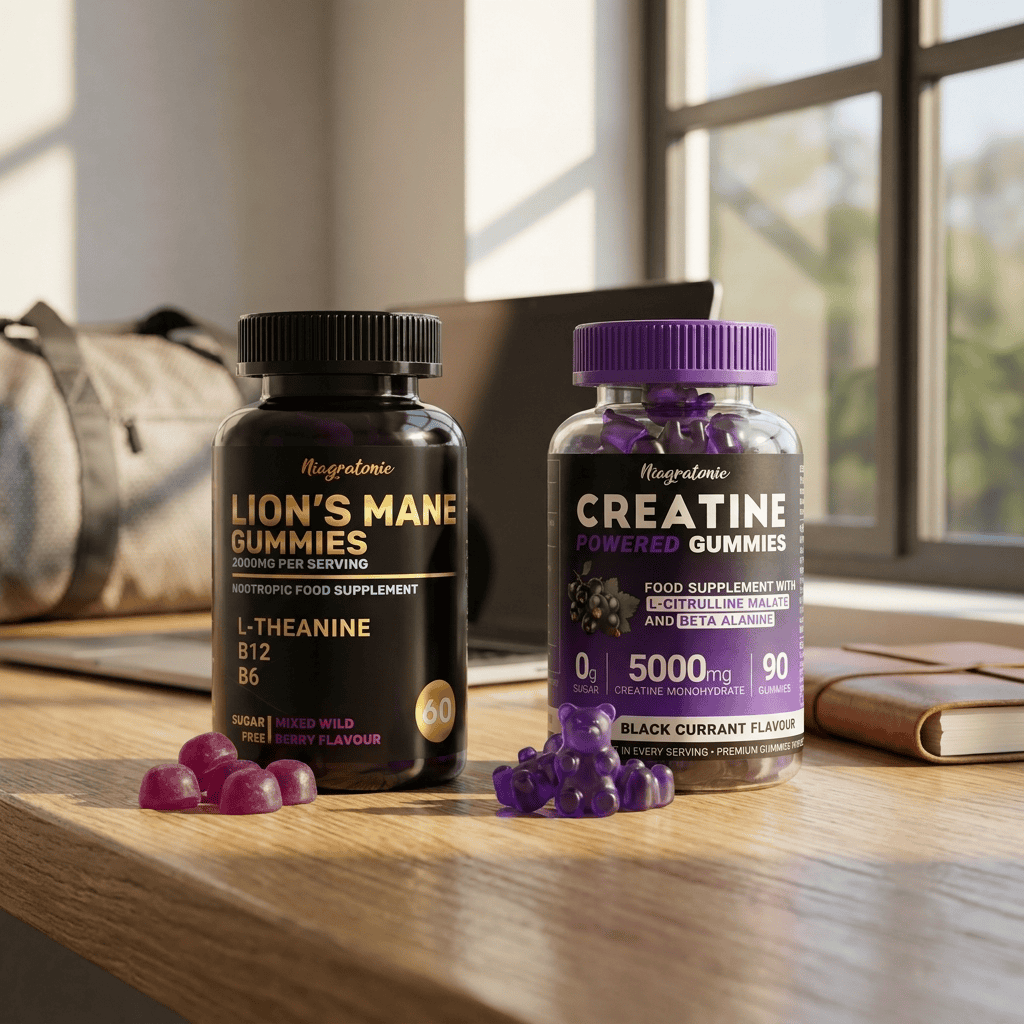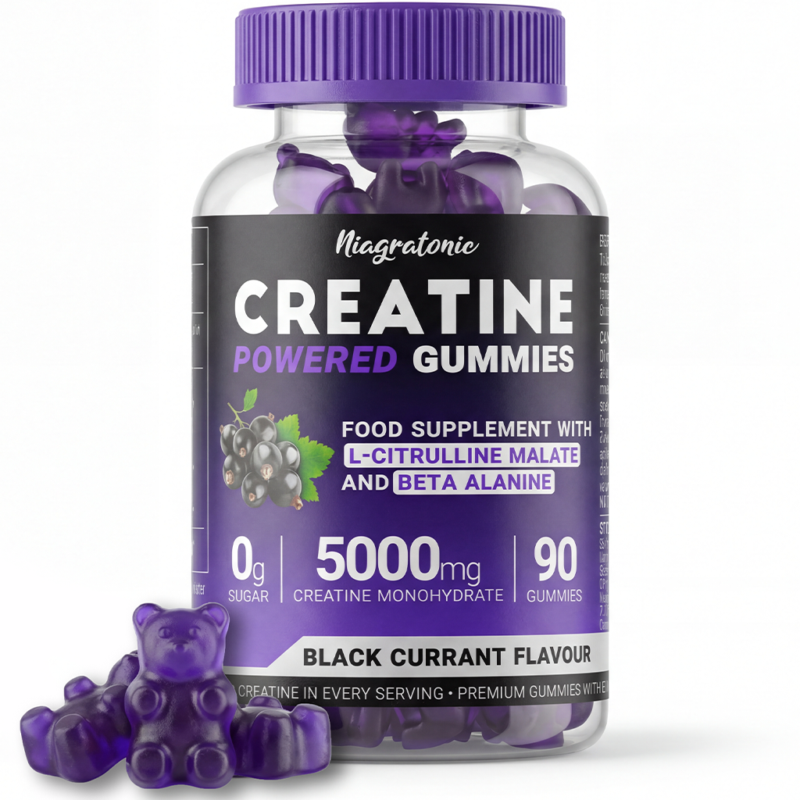


Creatine is one of the most widely used and researched supplements in the UK fitness world. From everyday gym-goers to competitive athletes, millions of people rely on it to improve strength, power, and training performance.
Yet despite its popularity and strong safety profile, one concern refuses to disappear:
Does creatine cause hair loss?

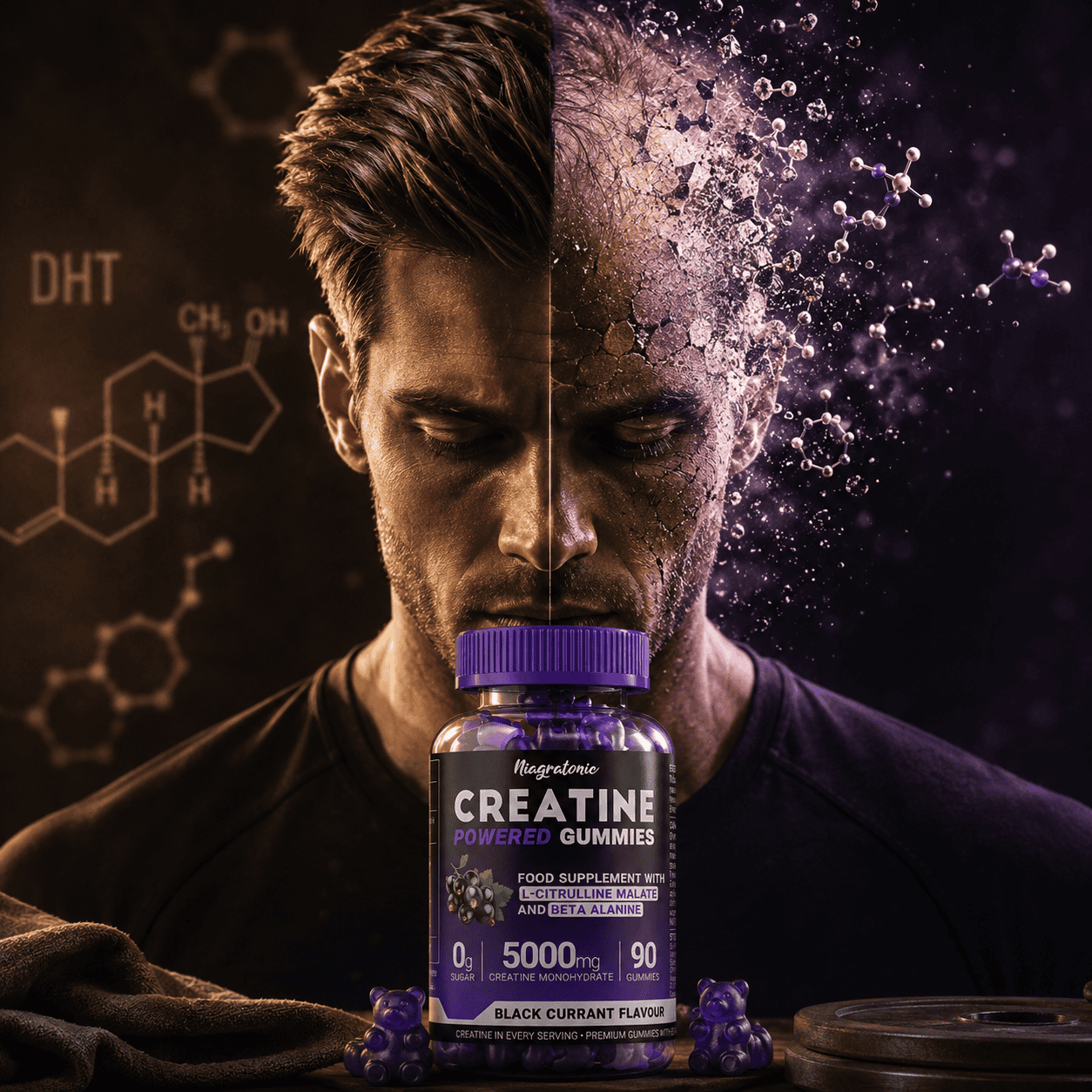
If you’ve ever searched this question online, you’ve likely seen alarming claims linking creatine to baldness, thinning hair, or increased levels of DHT – a hormone often blamed for male pattern hair loss.
But how much of this is actually true, and how much is fitness folklore?
Let’s break it down properly, using evidence, context, and clear explanations – not fear-based headlines.
Creatine is a naturally occurring compound found in small amounts in foods like red meat and oily fish. Your body also produces creatine on its own, primarily in the liver, kidneys, and pancreas.
Inside your muscles, creatine plays a key role in regenerating ATP (adenosine triphosphate) – the main energy source your body uses during short, high-intensity efforts such as:
weight training
sprinting
football and rugby
HIIT workouts
This is why creatine is so popular across the UK fitness scene. It helps you:
lift heavier
perform more reps
recover faster between sets
gain lean mass over time
The most common and well-researched form is creatine monohydrate. It’s legal, inexpensive, and widely considered safe for healthy adults when used correctly.
So if creatine has such a solid scientific reputation, why do so many people worry about hair loss?
The entire creatine–hair loss debate can be traced back to a single study published in 2009.
This small study followed male rugby players who supplemented with creatine for several weeks. Researchers observed an increase in levels of DHT (dihydrotestosterone) compared to baseline measurements.
That finding alone triggered a chain reaction of assumptions:
Creatine increases DHT → DHT causes hair loss → creatine causes baldness
But here’s what often gets left out.
It did not measure actual hair loss
It did not examine hair follicle health
It did not assess long-term hormonal changes
It involved a small sample size
No large-scale or follow-up studies have consistently replicated those findings in a way that proves real-world hair loss.
Yet the idea stuck – and spread far beyond the science.

However, here’s the crucial detail:
DHT does not cause hair loss in everyone.
Hair loss depends on genetic sensitivity. Some people’s hair follicles are sensitive to DHT and gradually shrink over time. Others are not affected at all, even with higher DHT levels.
That’s why:
some men start thinning in their early 20s
others keep a full head of hair into their 60s
Same hormone. Different genetics.
Large reviews published in journals such as the Journal of the International Society of Sports Nutrition have examined creatine’s effects on hormones, metabolism, and long-term health.
Their conclusions are consistent:
Creatine does not directly cause hair loss
Changes in testosterone or DHT are minimal, inconsistent, or clinically irrelevant
There is no evidence of hair follicle damage
Creatine is safe for long-term use in healthy individuals
Medical institutions like the Cleveland Clinic and databases such as PubMed also state that there is no proven causal relationship between creatine supplementation and hair loss.
If creatine reliably caused baldness, it would be one of the most well-documented side effects in sports nutrition – and it simply isn’t.
This is where online discussions often go wrong.
DHT is one factor, not the sole cause of hair loss. For hair thinning to occur, multiple conditions usually need to be present:
genetic predisposition
long-term follicle sensitivity
progressive miniaturisation over years
Short-term or small hormonal fluctuations – which occur naturally every day – are rarely enough to accelerate this process in a noticeable way.
In fact, everyday factors like:
chronic stress
poor sleep
aggressive dieting
illness
are far more likely to affect hair health than creatine supplementation.
This is the most reasonable question – and the one that deserves a nuanced answer.
If male pattern baldness runs strongly in your family, you may already be predisposed to hair thinning regardless of supplements.
From a theoretical standpoint, some people worry that any increase in DHT could accelerate that process.
But in reality:
there is no solid evidence that creatine meaningfully raises DHT long-term
natural hormonal fluctuations are far greater than anything creatine appears to cause
no studies show increased hair loss in genetically predisposed users
So while the concern makes sense emotionally, it is not supported by clinical data.
Hair loss is influenced by:
genetics
age
stress levels
calorie intake
sleep quality
overall health
Creatine:
does not damage follicles
does not block nutrients
does not disrupt endocrine function
If shedding happens while using creatine, it’s almost always coincidence rather than cause.
Correlation is not causation – especially in something as complex as hair loss.
Ask yourself:
Does hair loss run in your family?
Have you increased training volume recently?
Are you dieting aggressively or cutting calories?
Has stress or poor sleep become an issue?
These are far more common triggers than creatine supplementation.
If you use creatine – or are considering it – here’s sensible, evidence-based advice:
Take 3–5 g of creatine monohydrate per day
Stay well hydrated
Avoid extreme calorie deficits
Focus on sleep and stress management
Don’t stack creatine with unnecessary “hormone boosters”
Creatine does not need cycling, loading phases, or special timing for most people.
If hair loss anxiety is already present, it’s understandable to look for a single cause.
In that case:
monitor changes calmly over time
avoid panic-stopping supplements without evidence
focus on lifestyle fundamentals
If concerns persist, speaking with a GP or dermatologist is always a better option than relying on internet anecdotes.
So – does creatine cause hair loss?
Based on the best available scientific evidence, the answer is no.
The belief that creatine leads to baldness is rooted in:
one limited study
misunderstanding of DHT
years of online repetition
For the vast majority of people in the UK, creatine is safe, effective, and unrelated to hair loss.
If thinning occurs, genetics and lifestyle factors are almost always the real explanation – not your daily scoop of creatine.
Got questions? We’ve got answers. Here are the most common questions about creatine for beginners
There’s no strong evidence showing a clinically meaningful increase.
Current research does not support this claim.
Not immediately. Look at stress, diet, sleep, and genetics first.
Yes. It’s one of the most researched supplements available.
Featured product
New articles, supplement guides and practical wellness tips straight to you.