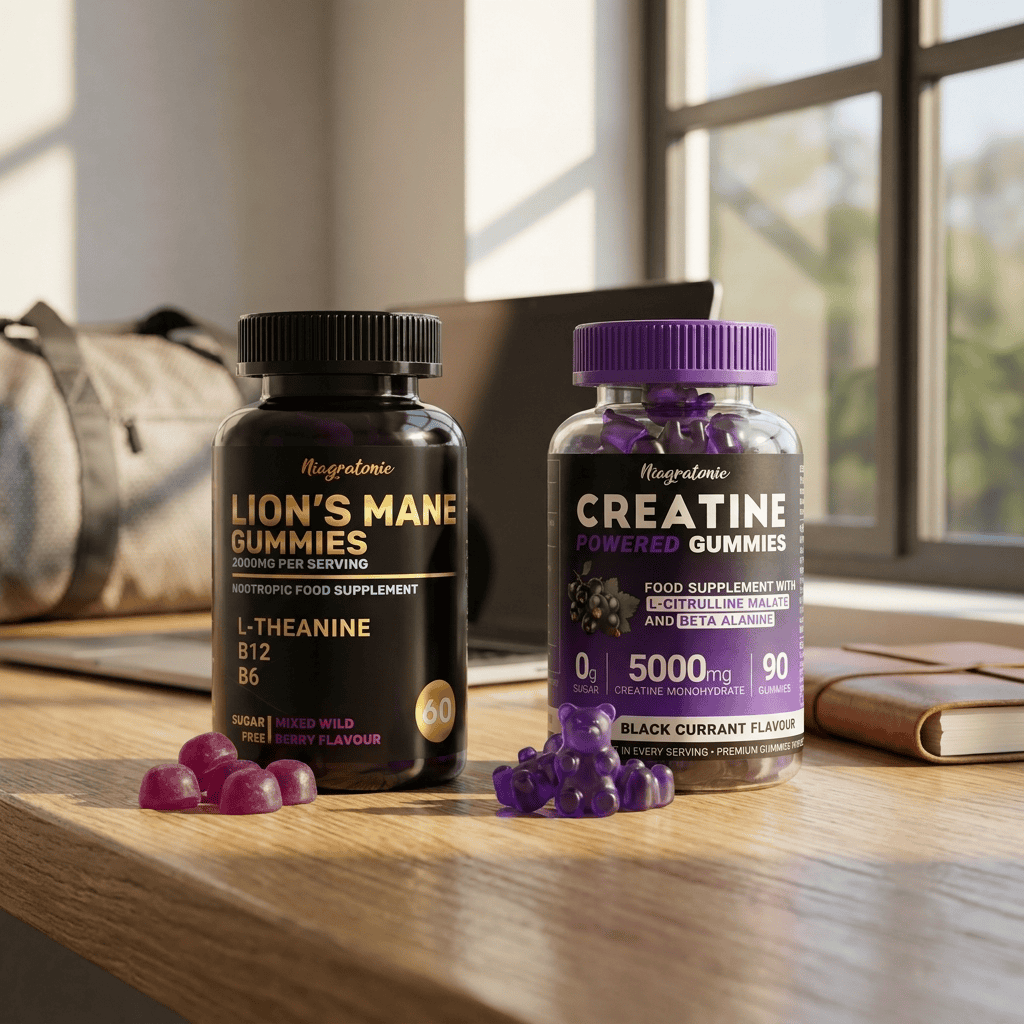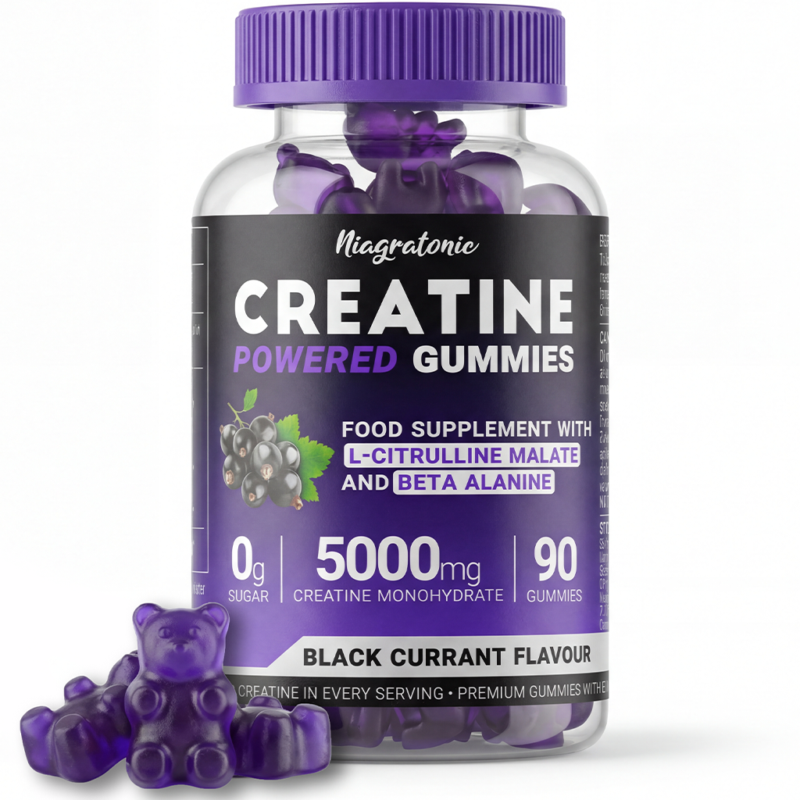


If you train regularly, chances are you’ve thought about creatine – or you’re already using it. It’s one of the most researched, reliable supplements out there for strength, performance, and muscle gains.
But lately, the conversation has shifted. Alongside the familiar tubs of white powder, creatine gummies have entered the chat. They promise convenience, better taste, and no shaker bottles. Sounds great – but does that mean they actually work as well?

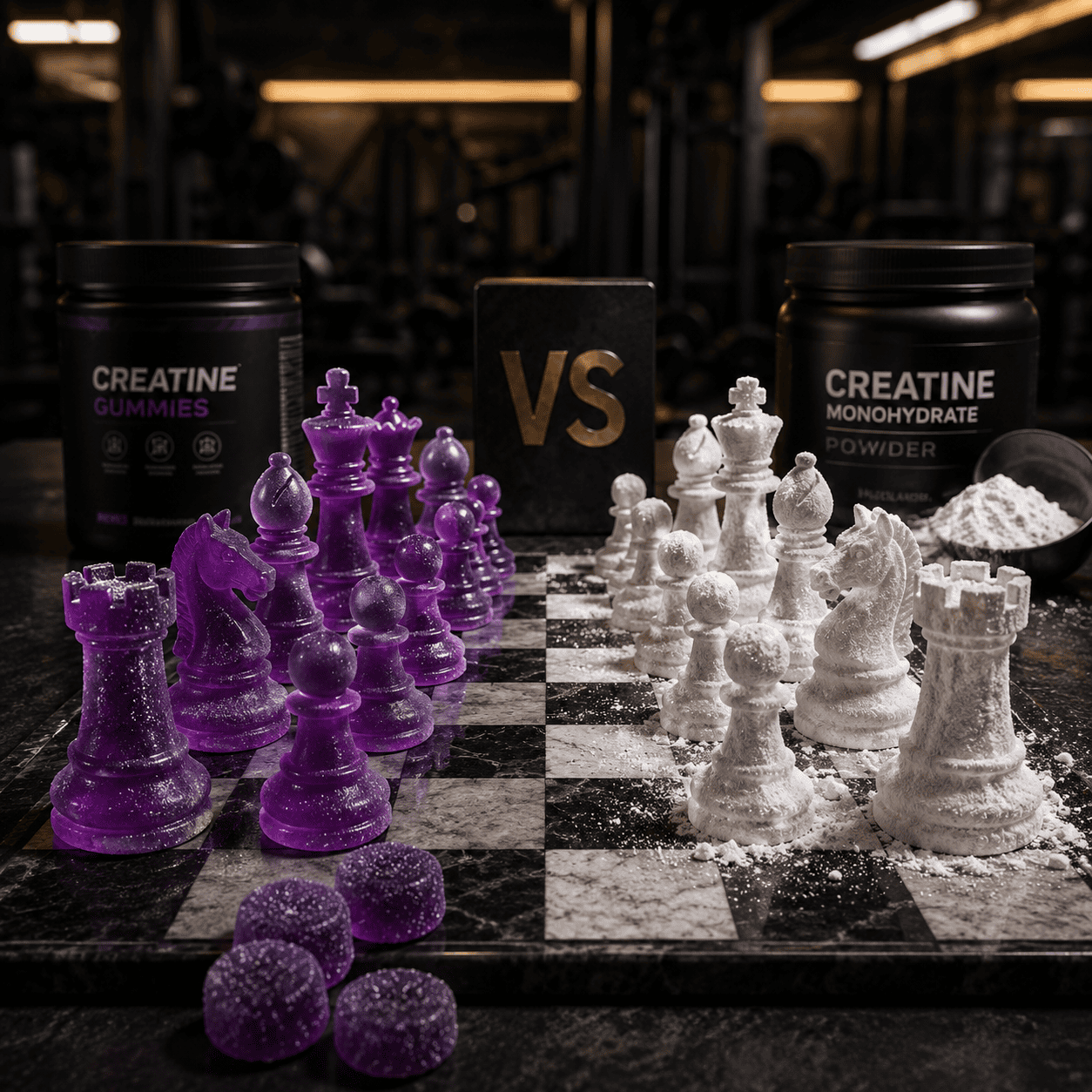
This guide breaks down creatine gummies vs powder in a straight-talking, no-nonsense way, specifically for UK gym-goers who care about results and practicality. No hype. No sales pitch. Just what actually matters when you’re deciding what to take.
Before choosing sides, it helps to understand what creatine is and how these formats actually differ.
Creatine is a natural compound found in small amounts in foods like red meat and fish. Your body also makes some on its own. In the gym world, creatine is used because it helps your muscles produce energy during short, intense efforts – think heavy lifts, sprinting, or high-rep sets.
In simple terms, creatine helps you:
Lift a bit heavier
Push out extra reps
Recover better between sets
Over time, that can mean better strength gains and more muscle growth.
Creatine powder – usually creatine monohydrate – is the original and most researched form. You mix it with water or a shake, drink it, and you’re done.
Why it’s popular:
Strong scientific backing
Cheap per serving
Easy to dose accurately
When people talk about the gold standard of creatine, this is what they mean.
Creatine gummies deliver creatine in a chewable, sweet format. No mixing. No shaker. Just grab and go.
They’ve become popular because they:
Taste better than most powders
Feel more convenient
Are easier to remember to take
That convenience is their biggest selling point – especially for people who skip supplements simply because they’re a hassle.
Here’s the key thing to understand: your body doesn’t care much about format – it cares about dose.
Once digested, creatine from gummies and creatine from powder ends up in the same place. If you consume enough creatine consistently, your muscles can still become saturated over time.
That means creatine gummies can be effective, as long as:
You’re hitting the correct daily dose
You’re taking them consistently
Where differences come in is how easy that is to achieve.
The standard recommendation for most people is 3-5 grams per day. Creatine powder makes this easy: one scoop, done.
With gummies, each piece usually contains much less creatine, so you may need several gummies to reach the same amount. That’s not a dealbreaker – but it’s something you need to pay attention to.
Creatine monohydrate has decades of research behind it. Its benefits include:
Improved strength and power
Increased training volume
Long-term muscle growth support
It’s also:
Stable
Well tolerated
Cost-effective
From a purely performance-focused point of view, creatine monohydrate powder is still the benchmark.
If you:
Forget your powder
Hate the taste
Can’t be bothered mixing drinks
Then the “best” creatine on paper isn’t helping you much.
Gummies shine when convenience and adherence matter. If chewing a few gummies daily means you don’t skip creatine, that consistency can outweigh small differences in format.
Let’s put it side by side.
They’re especially appealing for busy schedules or people who travel often.
This is where people start asking, are creatine gummies worth it? — and the answer depends on your priorities.
For value and performance, powder is hard to beat.
None of these are huge issues — but they’re real.
In the UK, creatine powder is widely available and inexpensive. When you break it down:
Powder usually offers far more servings per tub
Gummies cost more per gram of creatine
That doesn’t mean gummies are “bad value” – just that you’re paying for convenience.
If your goal is maximum creatine for minimum spend, powder wins.
If your goal is consistent daily use without friction, gummies can still be worth it, even at a higher price.
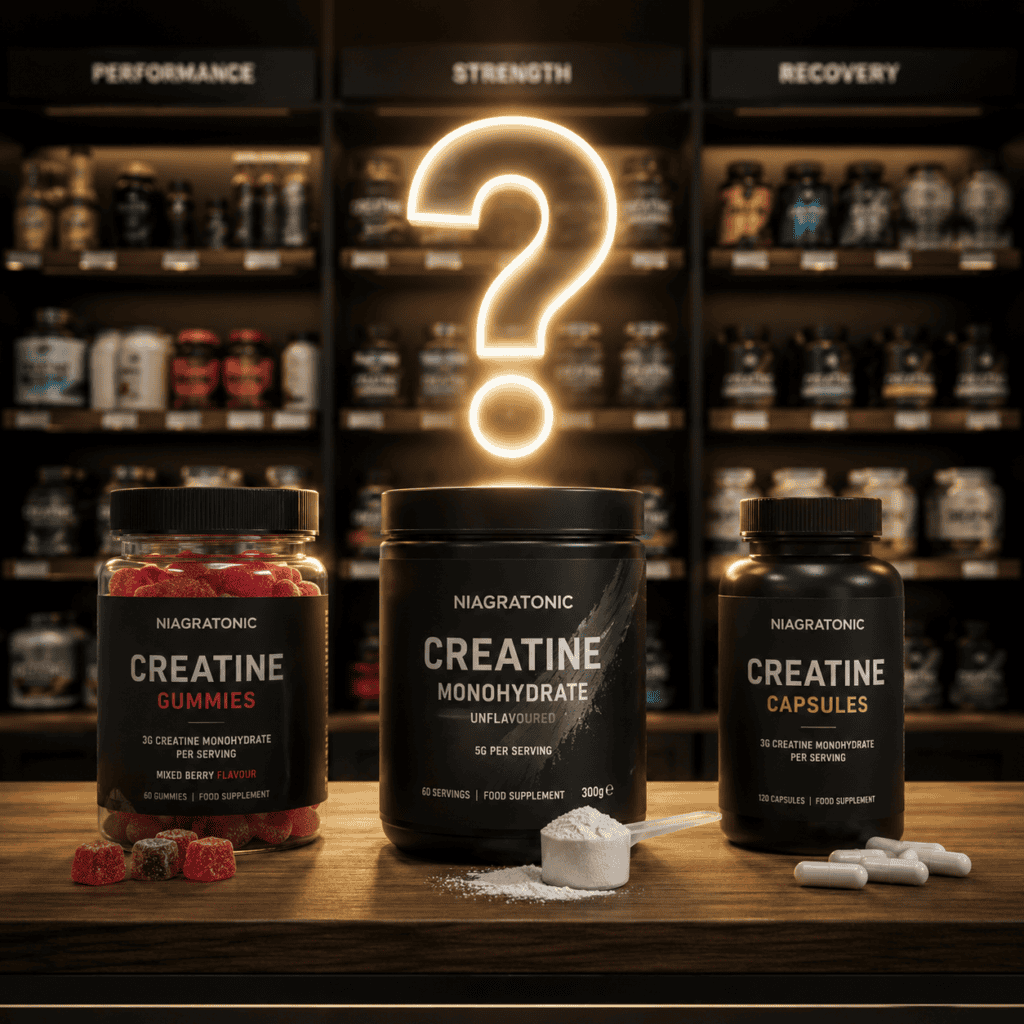
There’s no one-size-fits-all answer, but here’s a practical way to look at it.
If you’re new to supplements and feel overwhelmed:
Gummies can feel more approachable
Less chance of overthinking dosing
They lower the barrier to entry.
If your schedule is packed:
Gummies are easy to keep in your bag
No shaker bottle required
Consistency often improves.
If you’re dialled in on training and nutrition:
Powder gives better control
Lower cost
Higher confidence in dosing
For many, this still makes powder the best creatine form UK overall.
Whether gummies or powder, check:
Clear creatine amount per serving
Minimal unnecessary ingredients
Transparent labelling
For gummies, pay extra attention to creatine gummies sugar content.
Most people do well with:
3–5 grams daily
Taken consistently, training or rest days
This applies to both formats – just delivered differently.
Got questions? We’ve got answers. Here are the most common questions about creatine for beginners
Yes, creatine gummies can be effective if you consume enough creatine daily. The key factor is hitting the correct dose consistently, not the format itself.
That depends on the product, but often several gummies are needed to reach 3-5 grams. Always check the label to avoid underdosing.
Creatine monohydrate powder has more research and is easier to dose accurately. Gummies can still work but are mainly chosen for convenience.
They can be, especially if convenience helps you stay consistent. If cost and precise dosing matter more, powder is usually better value.
Many do. Some contain small amounts, others more. This is important if you’re monitoring calorie or sugar intake.
For most people, creatine monohydrate powder remains the top choice. Gummies suit those prioritising ease and adherence.
Yes. Gummies can be a simple, less intimidating way for beginners to start using creatine regularly.
Timing isn’t critical. Take creatine whenever it fits your routine – consistency matters more than timing.
Creatine is one of the most researched supplements available and is considered safe for long-term use in healthy individuals.
You can, but it’s usually unnecessary. The main goal is reaching your daily creatine intake, not combining formats.
Featured product
New articles, supplement guides and practical wellness tips straight to you.