

How to Sleep Fast in 5 Minutes may be a goal for many, but achieving optimal sleep starts with understanding your biological sleep needs.

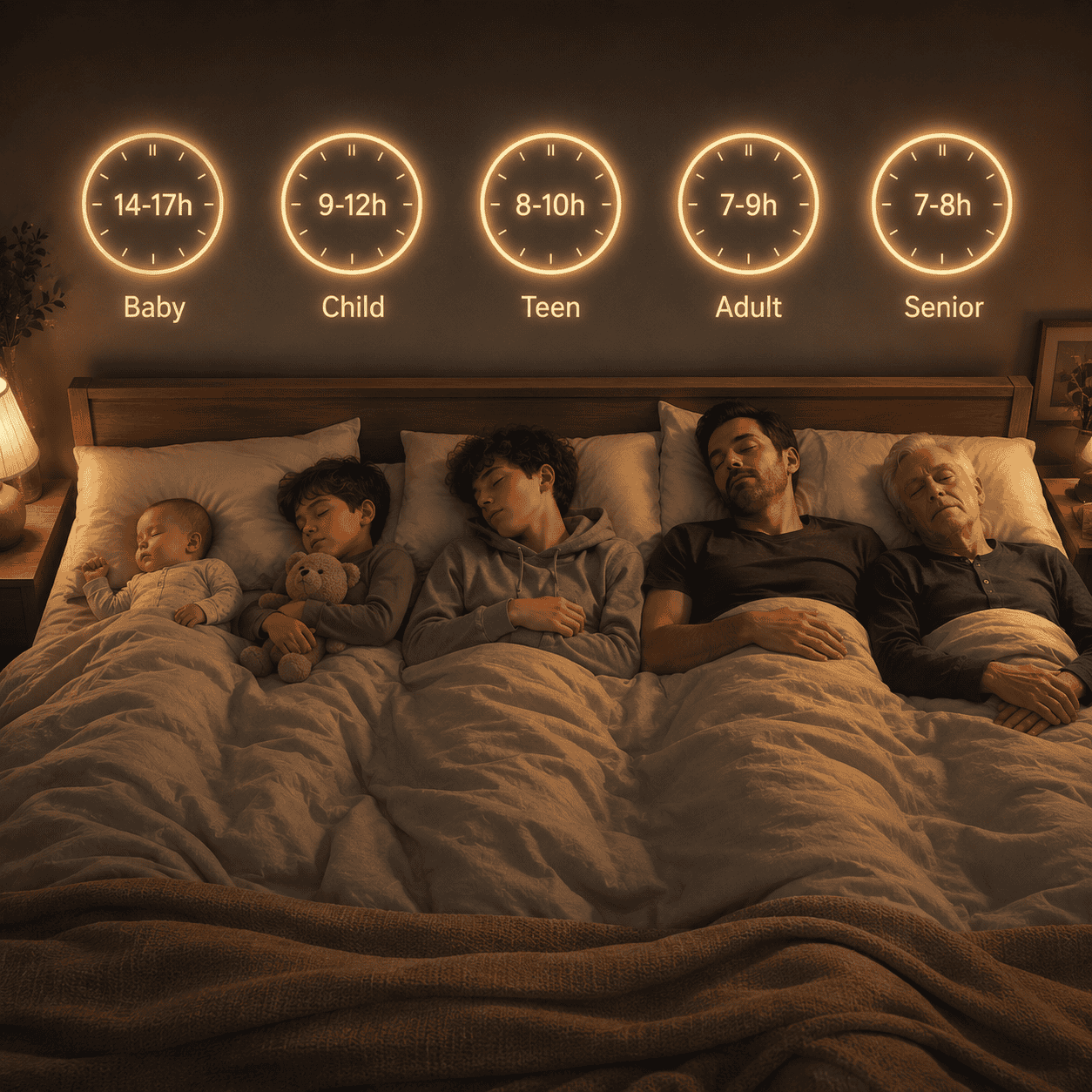
Sleep is one of the most fundamental biological functions, yet one of the most commonly neglected aspects of health. From infancy through old age, the amount of sleep we need evolves. Understanding how much sleep you need by age is essential not only for daily functioning but also for long-term well-being. Scientific evidence underscores the critical role sleep plays in cognitive performance, immune function, emotional regulation, and even lifespan.
Newborns (0-3 Months)
Newborns typically need 14 to 17 hours of sleep per day. Their sleep patterns are irregular and distributed throughout the day and night. Rapid eye movement (REM) sleep, crucial for brain development, dominates this stage.
Infants (4-11 Months)
Infants generally require 12 to 15 hours of sleep, including naps. By six months, many begin to consolidate sleep into longer nighttime stretches.
Toddlers (1-2 Years)
Recommended sleep duration is 11 to 14 hours. Consistent bedtime routines help toddlers transition to more structured sleep cycles.
Preschoolers (3-5 Years)
Children in this age group need around 10 to 13 hours of sleep. Nighttime fears and bedtime resistance may emerge, necessitating a stable sleep environment.
School-Age Children (6-13 Years)
Nine to 11 hours of sleep is ideal. Sleep problems such as night terrors or insomnia can begin to appear, often due to academic or social stress.
Teenagers (14-17 Years)
The average teen needs 8 to 10 hours of sleep. Circadian rhythms naturally shift later during puberty, making it difficult for adolescents to fall asleep early. This biological shift often conflicts with early school start times.
Young Adults (18-25 Years)
Sleep needs slightly decrease to 7 to 9 hours. However, lifestyle factors like academic pressure, employment, and social engagements often reduce actual sleep duration.
Adults (26-64 Years)
The optimal range remains 7 to 9 hours. Chronic sleep deprivation during this stage is associated with increased risk of cardiovascular disease, diabetes, and obesity.
Older Adults (65+ Years)
While older adults still require 7 to 8 hours of sleep, changes in sleep architecture—including lighter sleep and more frequent awakenings—are common. Daytime napping may increase, but excessive napping can further disrupt nighttime sleep.
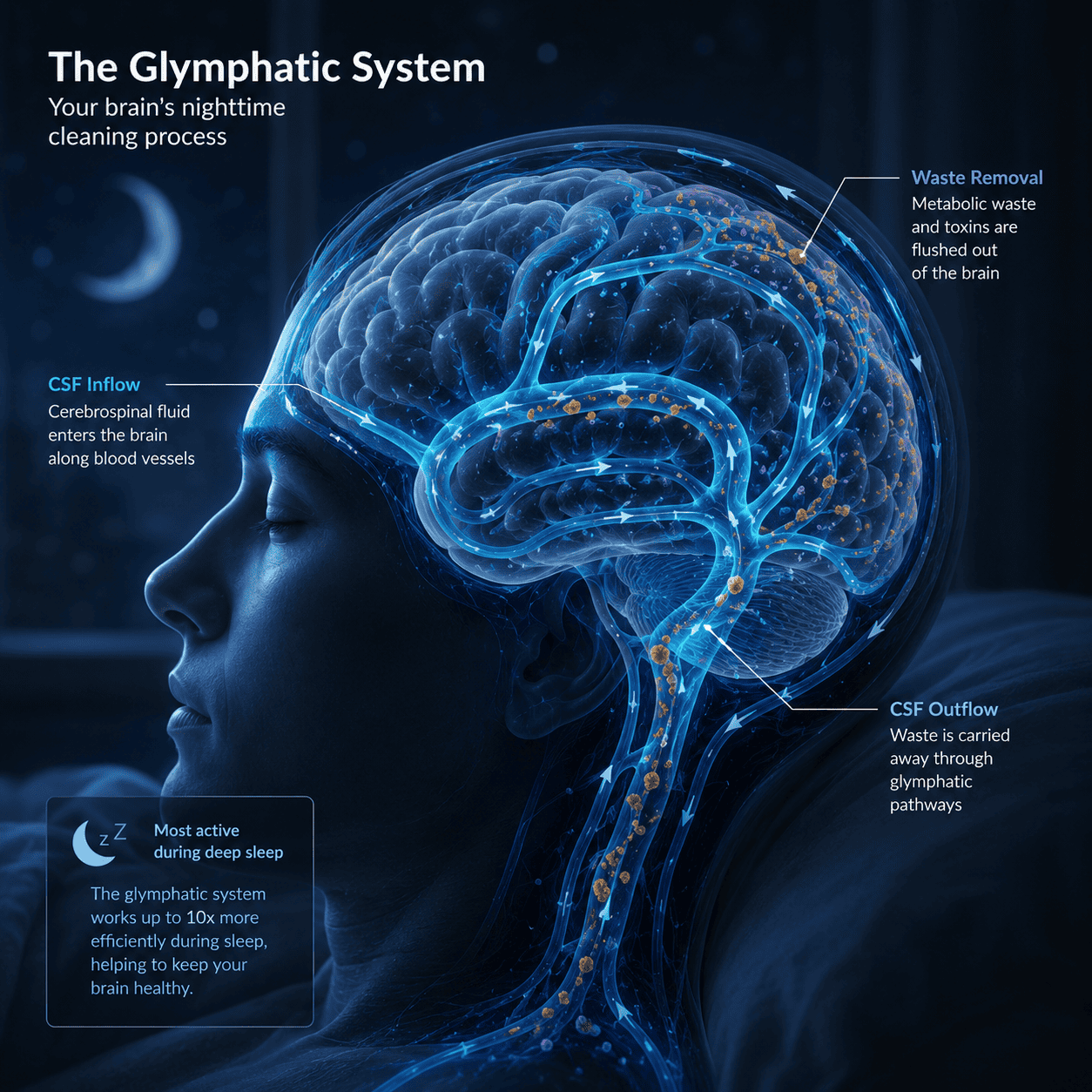
Sleep is regulated by the circadian rhythm and sleep homeostasis. The circadian rhythm is a 24-hour cycle influenced by light and darkness, while homeostasis tracks how long you’ve been awake, increasing the pressure to sleep. Disruptions in either system, whether due to irregular schedules or screen exposure, can lead to sleep disorders.
During sleep, we cycle through non-REM and REM stages. Non-REM sleep supports physical restoration and immune function, while REM sleep plays a key role in memory consolidation and emotional regulation.
Sleep deprivation can impair attention, decision-making, and reaction time. Chronic lack of sleep has been linked to hypertension, depression, and impaired glucose metabolism.
Got questions? We’ve got answers. Here are the most common questions about creatine for beginners
For most adults, six hours is below the recommended minimum. While individual variability exists, consistent short sleep is associated with increased health risks such as heart disease, impaired cognition, and weakened immunity.
Common signs include daytime fatigue, irritability, poor concentration, memory issues, and weakened immunity. Long-term sleep deprivation can lead to mood disorders, metabolic dysfunction, and reduced life expectancy.
Sleep tracking devices assign a sleep score based on duration, quality, and consistency. For adults, a score above 80 is considered good. Younger individuals may have naturally higher sleep scores due to more deep sleep, while older adults may have more fragmented sleep.
Apple Watch uses motion and heart rate data to estimate sleep phases. While reasonably accurate for tracking overall sleep duration, it is less reliable in distinguishing between sleep stages compared to polysomnography, the clinical gold standard.
Featured product
New articles, supplement guides and practical wellness tips straight to you.