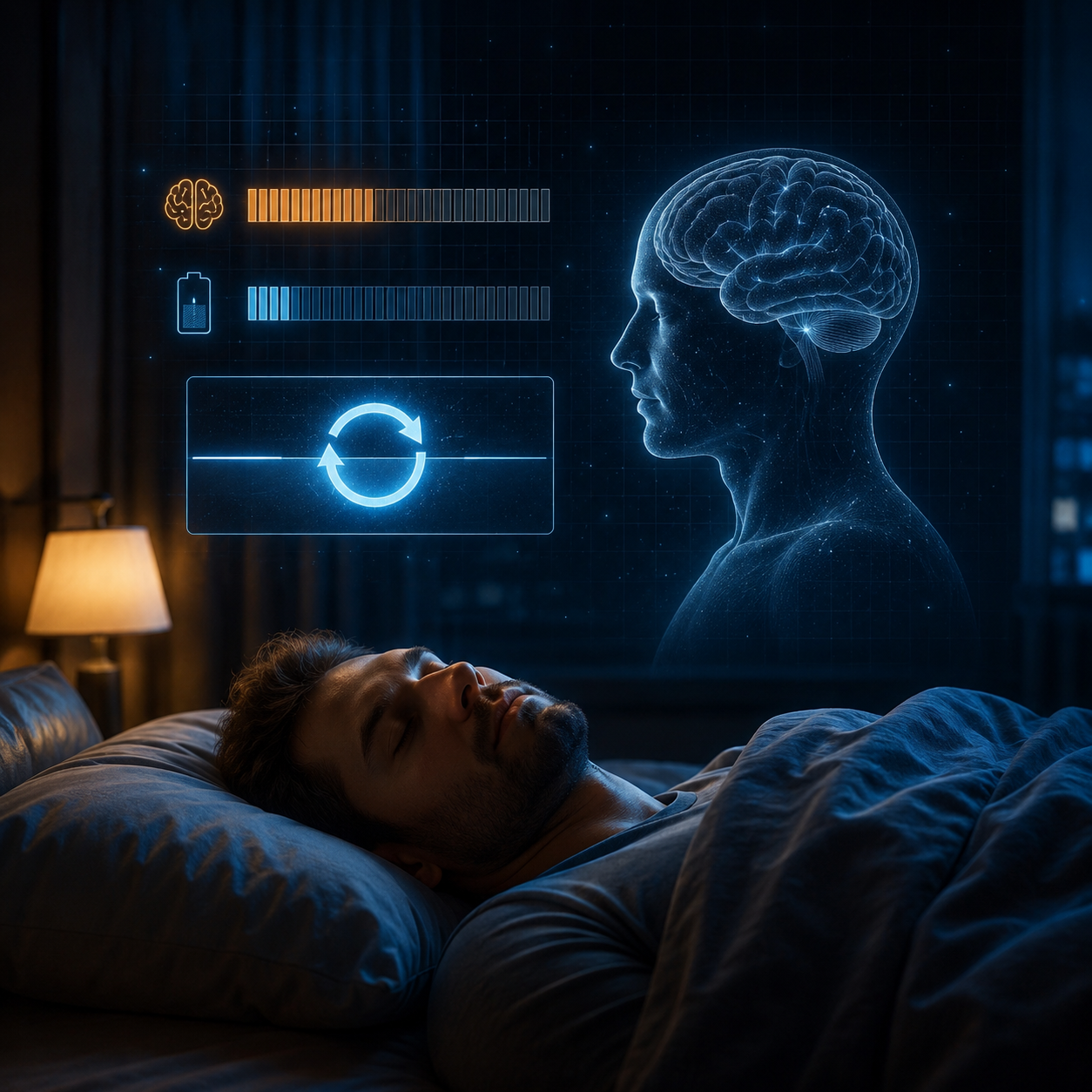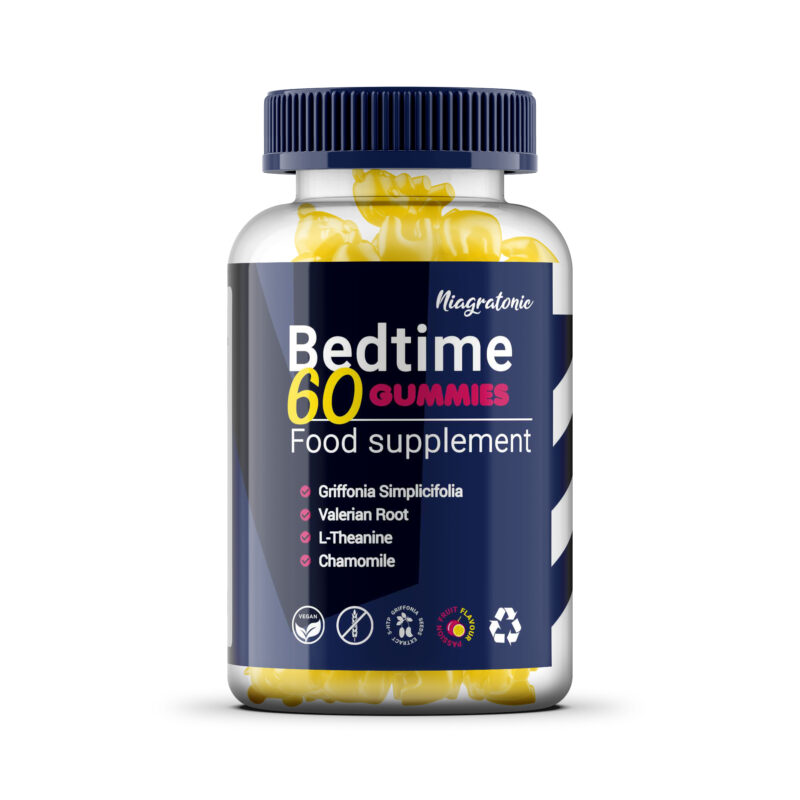


Insomnia, characterized by difficulty falling or staying asleep, affects a significant portion of the population. While chronic insomnia may require comprehensive treatment, certain techniques can provide rapid relief, even within a 12-minute window. This article explores evidence-based methods that can help alleviate insomnia symptoms quickly and introduces practical tools, including natural supplements like sleeping gummies, that can enhance your nighttime routine.

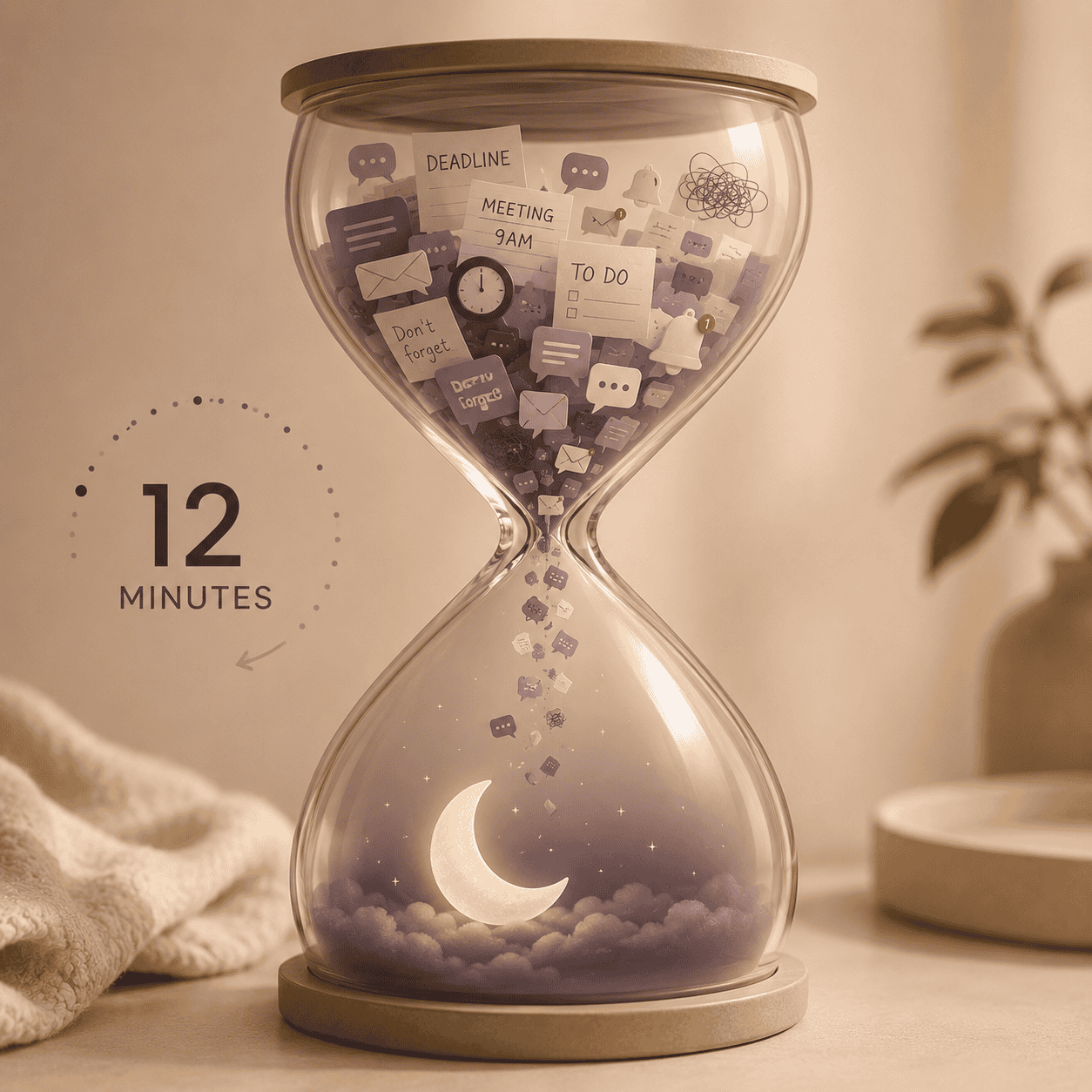
Our aim is to present you with actionable, science-supported strategies to help you unwind and return to restful sleep.
Insomnia isn’t just about lying awake at night – it involves a complex interaction of behavioral, psychological, and physiological factors. Acute insomnia can occur temporarily due to stress, travel, or lifestyle changes. Chronic insomnia, on the other hand, is typically diagnosed when sleep disturbances persist for at least three nights per week over a three-month period.
Key contributing factors include:
The impact of insomnia extends beyond fatigue. It can impair concentration, affect mood, reduce productivity, and even compromise immune function. Recognizing the symptoms early and applying immediate strategies is vital for short-term relief and long-term recovery.
While long-term management involves lifestyle adjustments, sleep hygiene, and in some cases, cognitive behavioral therapy for insomnia (CBT-I), there are rapid techniques that can provide immediate relief. By dedicating just 12 minutes before bed to focused relaxation, many individuals report improved sleep onset and reduced nighttime anxiety.
1. Mindful Breathing (4 minutes)
Mindful breathing is one of the simplest and most accessible ways to activate the parasympathetic nervous system—the branch responsible for calming the body after stress. The 4-7-8 breathing technique is especially effective:
This pattern helps reduce heart rate, lower blood pressure, and slow racing thoughts. By focusing on the breath, the mind shifts away from stressors and into the present moment. Scientific studies have shown that regulated breathing can decrease cortisol levels, making it easier to initiate sleep.
2. Progressive Muscle Relaxation (4 minutes)
Progressive Muscle Relaxation (PMR) is a systematic method that helps relieve physical tension, a common barrier to sleep. The process involves tensing and releasing various muscle groups throughout the body:
PMR enhances body awareness and encourages a state of physical calm. Research supports its effectiveness in reducing symptoms of anxiety, improving sleep latency, and enhancing overall sleep quality. Performing PMR nightly can also help condition your body to associate relaxation with your bedtime routine.
3. Visualization (4 minutes)
Guided imagery or visualization leverages the power of the imagination to create a mental escape from the stressors that may be interfering with sleep. To practice this technique:
Visualization has been shown to reduce anxiety and lower autonomic arousal. When practiced regularly, it can become a reliable cue for sleepiness. Pairing visualization with deep breathing further enhances its calming effect.
Quick-fix techniques are useful, but sustainable improvements in sleep often require lifestyle adjustments. Here are additional habits and environmental changes to support healthy sleep patterns:
Create a Wind-Down Routine
A structured wind-down period helps signal to your body that it’s time to rest. This might include:
Optimize Your Sleep Environment
Manage Light Exposure
Regulate Caffeine and Alcohol Intake
Exercise Regularly
Engaging in physical activity during the day helps promote nighttime sleep. However, avoid intense workouts in the 1-2 hours before bed, as they may be stimulating.
Cognitive Behavioral Approaches
Cognitive Behavioral Therapy for Insomnia (CBT-I) is the gold standard for treating chronic insomnia. Even if you’re managing your sleep without therapy, adopting CBT-I strategies such as thought reframing, stimulus control, and sleep restriction can significantly enhance sleep outcomes.
Got questions? We’ve got answers. Here are the most common questions about creatine for beginners
Implementing relaxation techniques like mindful breathing, progressive muscle relaxation, and visualization can provide immediate relief. Additionally, establishing a consistent sleep routine and creating a conducive sleep environment are essential.
Factors such as stress, anxiety, irregular sleep schedules, and exposure to stimulants can interfere with the body’s ability to initiate sleep. Identifying and addressing these factors is crucial.
If you’re unable to fall asleep within 15 minutes, it’s recommended to get out of bed and engage in a quiet, relaxing activity until you feel sleepy. This prevents associating the bed with wakefulness.
Techniques such as deep breathing, progressive muscle relaxation, and avoiding stimulating activities can help. If wakefulness persists, getting out of bed and engaging in a calming activity until drowsiness returns is advisable.
Featured product
New articles, supplement guides and practical wellness tips straight to you.